
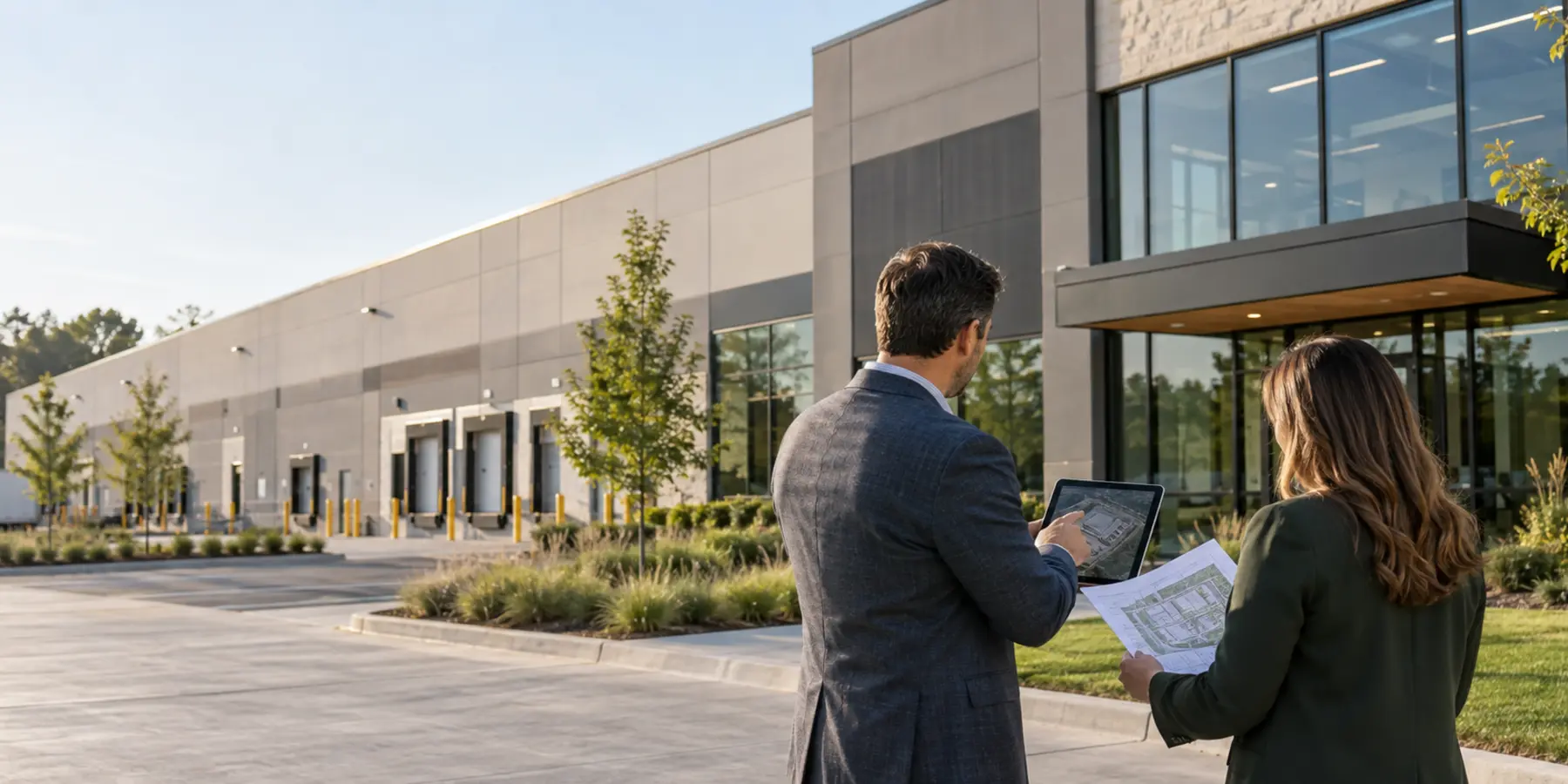
An Omaha development can look promising on paper and still struggle to move forward when construction costs leave too little room between the project budget and the income it can support. The useful question is not whether one material became more expensive. It is which parts of the proposed building need a fresh price, and whether the project still works once those costs are included.
September 2026 national data show an uneven picture. Steel and copper-related inputs recorded larger annual increases than concrete, while construction wages also rose. For an Omaha project team, that is a reason to revisit specific budget packages rather than apply one blanket increase to the entire development.
What changed in the latest data
The following changes compare September 2026 with September 2025, using U.S. Bureau of Labor Statistics data retrieved through FRED:
- Broad construction materials: up 11.0%.
- Iron and steel: up 20.7%.
- Copper and brass mill shapes: up 30.0%.
- Lumber: up 8.7%.
- Ready-mix concrete: up 2.3%.
- Average construction hourly earnings: up 4.2%, reaching $41.69 per hour nationally.
These figures describe national material categories and average pay. They do not mean an Omaha contractor's bid, an electrical package or a complete building became more expensive by those same percentages. Material indicators measure producer prices; local delivery, installation, contractor margins and project specifications also affect the bill. The wage measure excludes benefits and can change with the mix of employees.
Multifamily: revisit the building package, not just the total
For a wood-framed apartment project, lumber is a relevant signal, but framing is only one part of the budget. Concrete, electrical work, interiors and site improvements need separate attention.
Sage's interpretation is that developers should compare current trade quotes with the assumptions used when the project was first evaluated. If those quotes increase, test whether supported rents, operating costs and financing still leave sufficient room for the investment. Higher construction costs alone do not establish that the market will support higher rents.
Industrial: focus on structure, slabs and electrical scope
For an industrial project using substantial steel framing, the steel trend makes the age and scope of the structural quote especially important. Concrete specifications, building height, loading requirements and electrical needs can make two buildings with similar square footage materially different to price.
The smaller annual increase in ready-mix concrete does not establish that a local slab or foundation quote will stay flat. Ask the contractor to distinguish material changes from labor, equipment and design changes before updating the budget.
Retail and mixed-use: separate the shell from tenant work
A retail shell and a tenant's finished space are different cost commitments. Electrical, plumbing, mechanical and finish requirements should be checked against the actual tenant scope. The increase in copper and brass mill products is a signal to review relevant packages, not a direct estimate of the increase in an installed system.
For mixed-use development, review shared systems, infrastructure and construction sequencing alongside each use. Separate residential, retail and common-area costs so that a change in one package does not get spread indiscriminately across the whole project.
Financing can change the result even when bids hold
Construction feasibility also depends on how the project is funded and how long delivery takes. Review current lender terms, fees, required equity, interest carry and contingency alongside contractor pricing. A budget that still works at the expected completion date may be less resilient if construction or leasing takes longer.
The next step for an Omaha project
Use these national trends to identify the questions worth asking, then replace older assumptions with current, scope-matched local evidence:
- Ask which subcontractor quotes have expired and which costs remain allowances.
- Confirm what each quote includes, excludes and assumes about delivery.
- Separate price changes from changes in design or scope.
- Test the effect of higher costs, a longer schedule and slower leasing on the project.
Sage's conclusion is that the September readings support a package-by-package budget review. They do not establish a single Omaha construction inflation rate or determine whether an individual project should proceed.
Explore the Sage Intelligence Construction Cost Monitor for the underlying trends and dated source observations.
Data note
Figures were reviewed on October 18, 2026. Annual changes are calculated from September 2025 and September 2026 observations and rounded to one decimal place. Material series are national, monthly and not seasonally adjusted. Construction hourly earnings are national and seasonally adjusted. Data may be revised. The Omaha project implications above are Sage's editorial interpretation, not measured local bid changes or a project cost forecast.